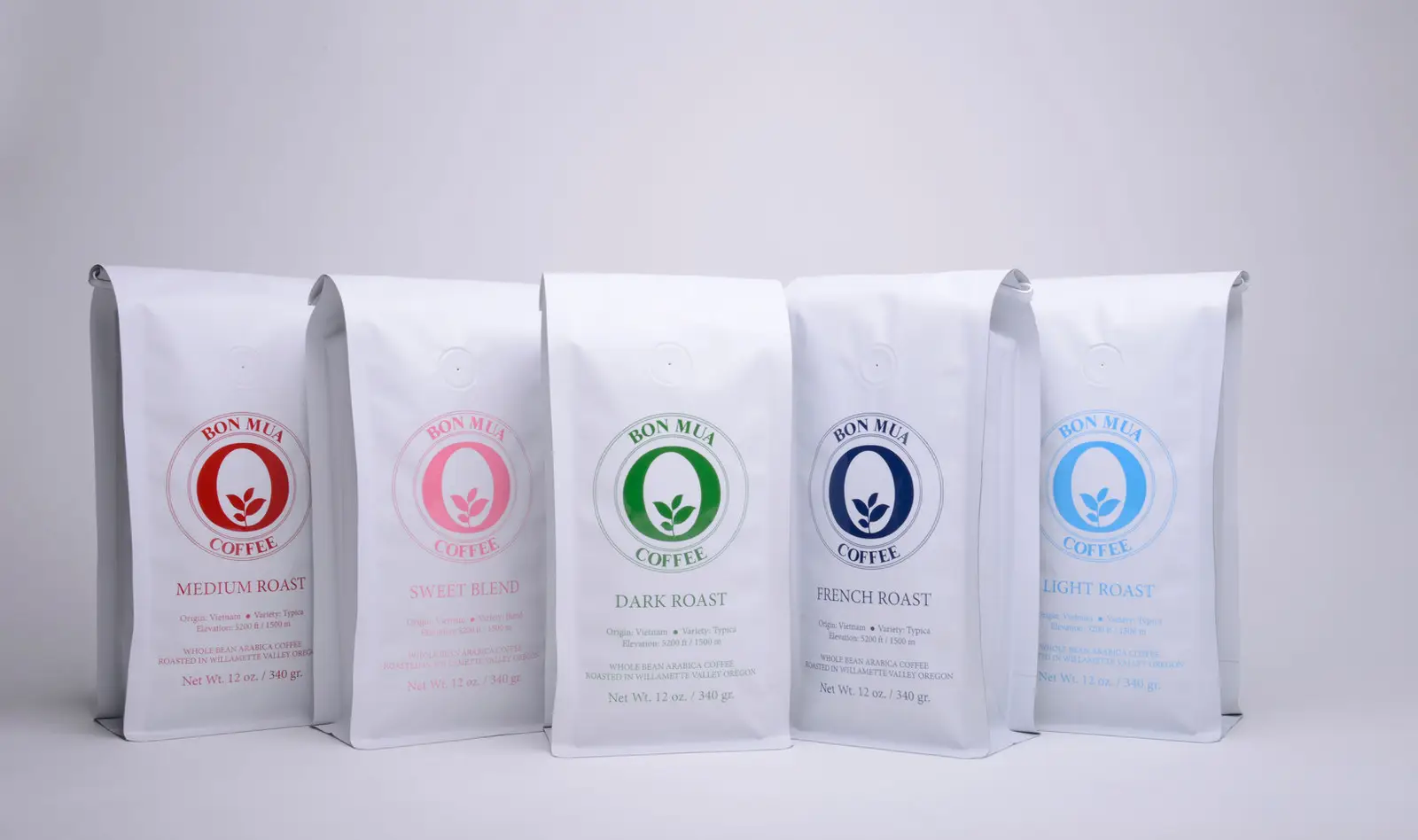
 Bestseller Single Origin Specialty — 100% Vietnamese Arabica, Dark Roast $17.99
 Explainer
Robusta vs Arabica
Two species, two very different cups. Here's how they compare on caffeine, flavor, altitude, and price — from a family that grows and roasts both.
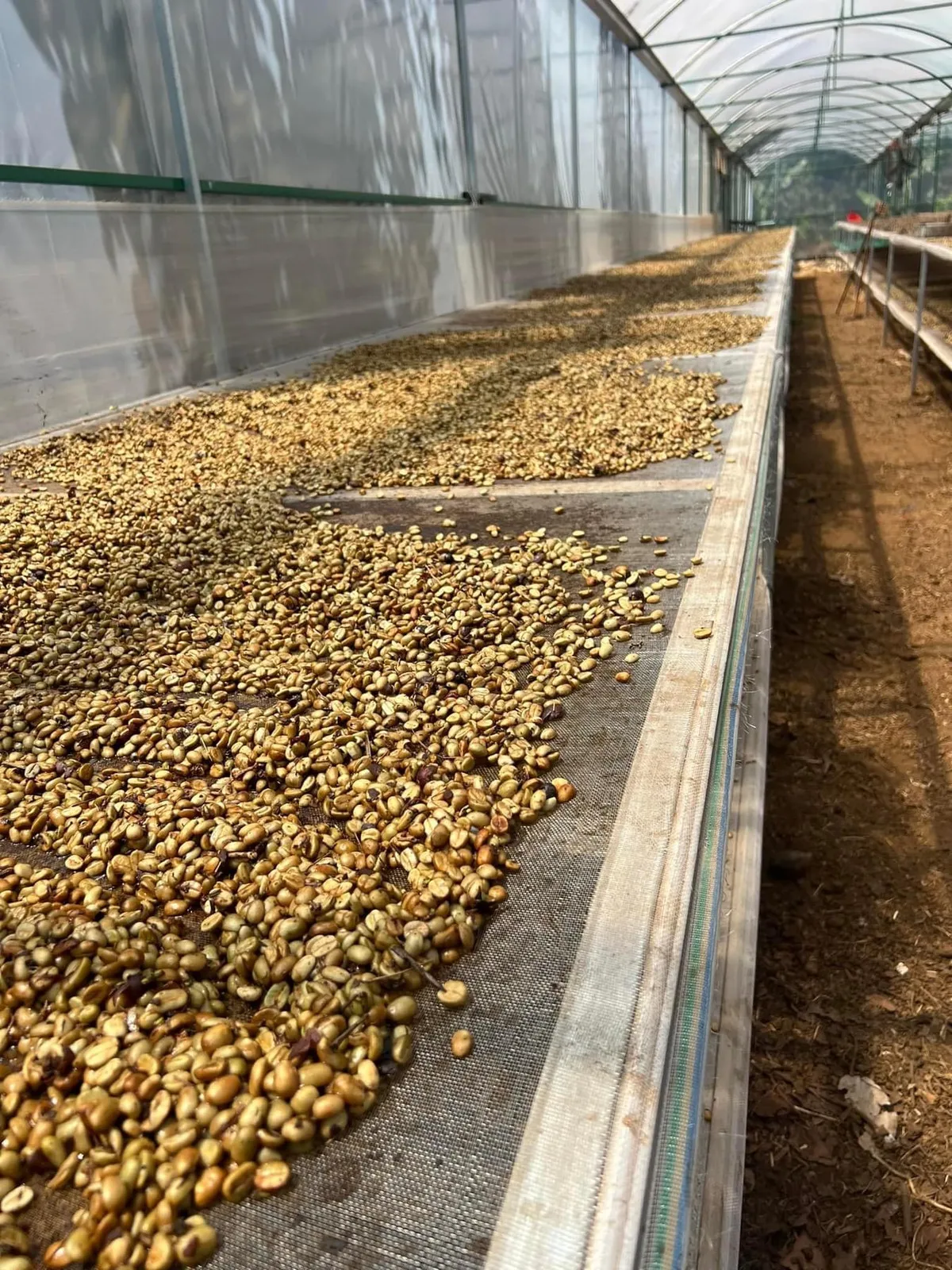
The basics
Same drink, different species
Almost all of the world’s coffee comes from two species: Coffea arabica and Coffea canephora, better known as robusta. Arabica gets most of the glory; robusta does most of the heavy lifting. Neither is “better” — they’re built for different cups.
We grow both on our family farms in Việt Nam, so we have no reason to talk one down. Here’s the honest breakdown.
Side by side
Robusta vs arabica, compared
| Attribute | Robusta | Arabica |
|---|---|---|
| Caffeine | Roughly 2× arabica | The baseline |
| Flavor | Bold — dark chocolate, roasted nuts, woody | Sweeter — caramel, roasted nut, brighter fruit |
| Acidity | Low | Higher, brighter |
| Body | Full, heavy | Light to medium |
| Growing altitude | Lower & warmer (~1,500 ft) | Higher & cooler (~5,200 ft) |
| Hardiness | Hardy, disease-resistant | More delicate to grow |
| Typical price | Usually more affordable | Usually pricier |
| Best for | Cà phê sữa đá, milk drinks, an energy hit | Black filter, pour-over, brighter sipping |
| Ours | Dak Lak, hand-picked ripe | Typica, grown at ~5,200 ft |
Caffeine, altitude, and price are general characteristics of each species; flavor notes describe our own roasts.
Why not both
We grow and roast both — on purpose
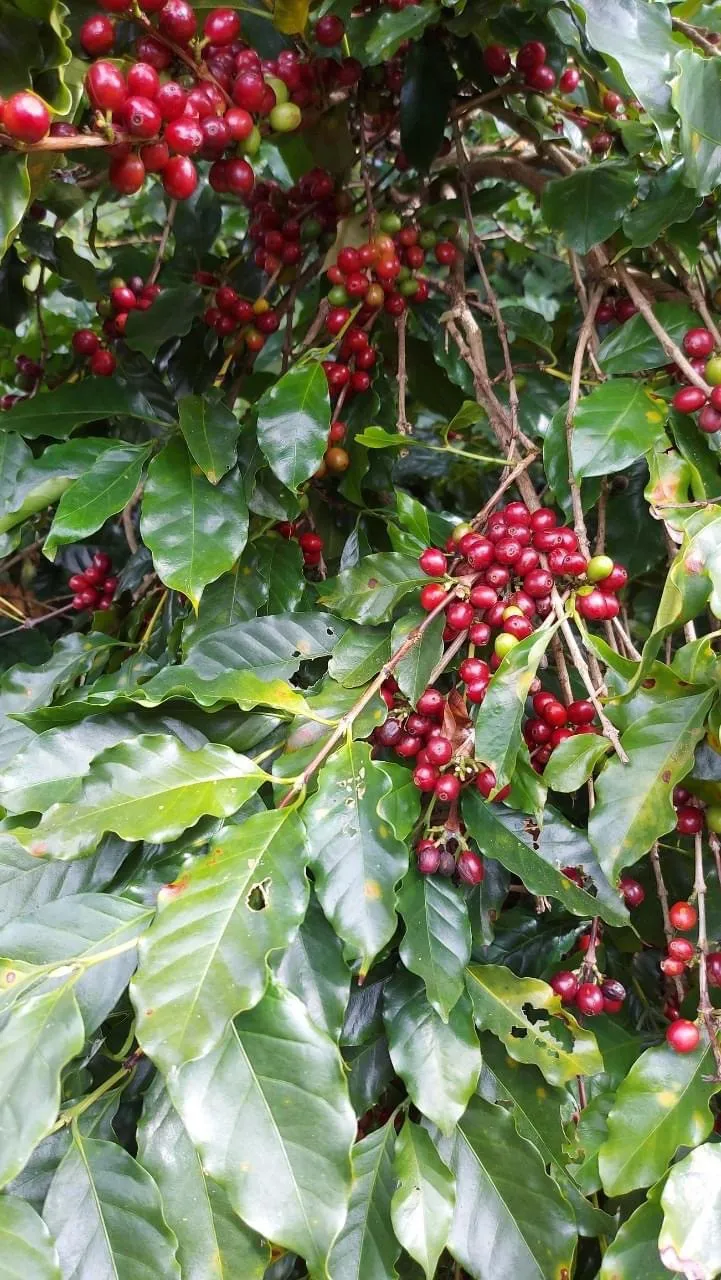
Reach for arabica when you want a brighter, sweeter cup to sip black — our Single Origin Specialty is Typica grown at about 5,200 feet. Reach for robusta when you want bold, high-caffeine body that shrugs off milk and ice — that’s our Robusta Vietnamese Brew from Dak Lak.
Most mornings, the right answer is simply whichever one you’re in the mood for.
Taste The Truth
Try them side by side
Not sure which camp you’re in? Our All-in-One puts arabica and robusta in the same box.
Bestseller Single Origin Specialty — 100% Vietnamese Arabica, Dark Roast $17.99 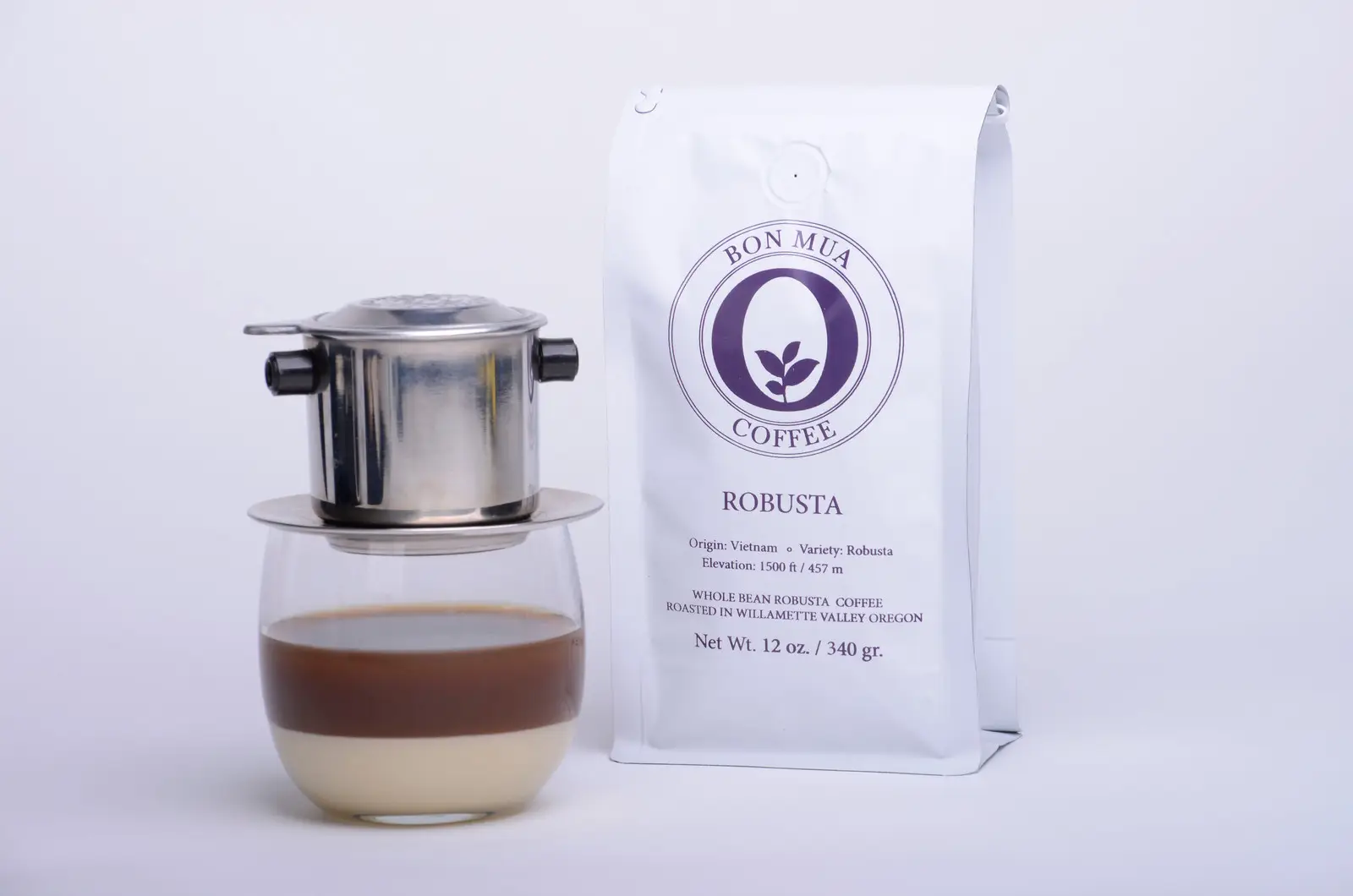 Bestseller Robusta Vietnamese Brew — 100% Vietnamese Robusta, Dark Roast $17.99
 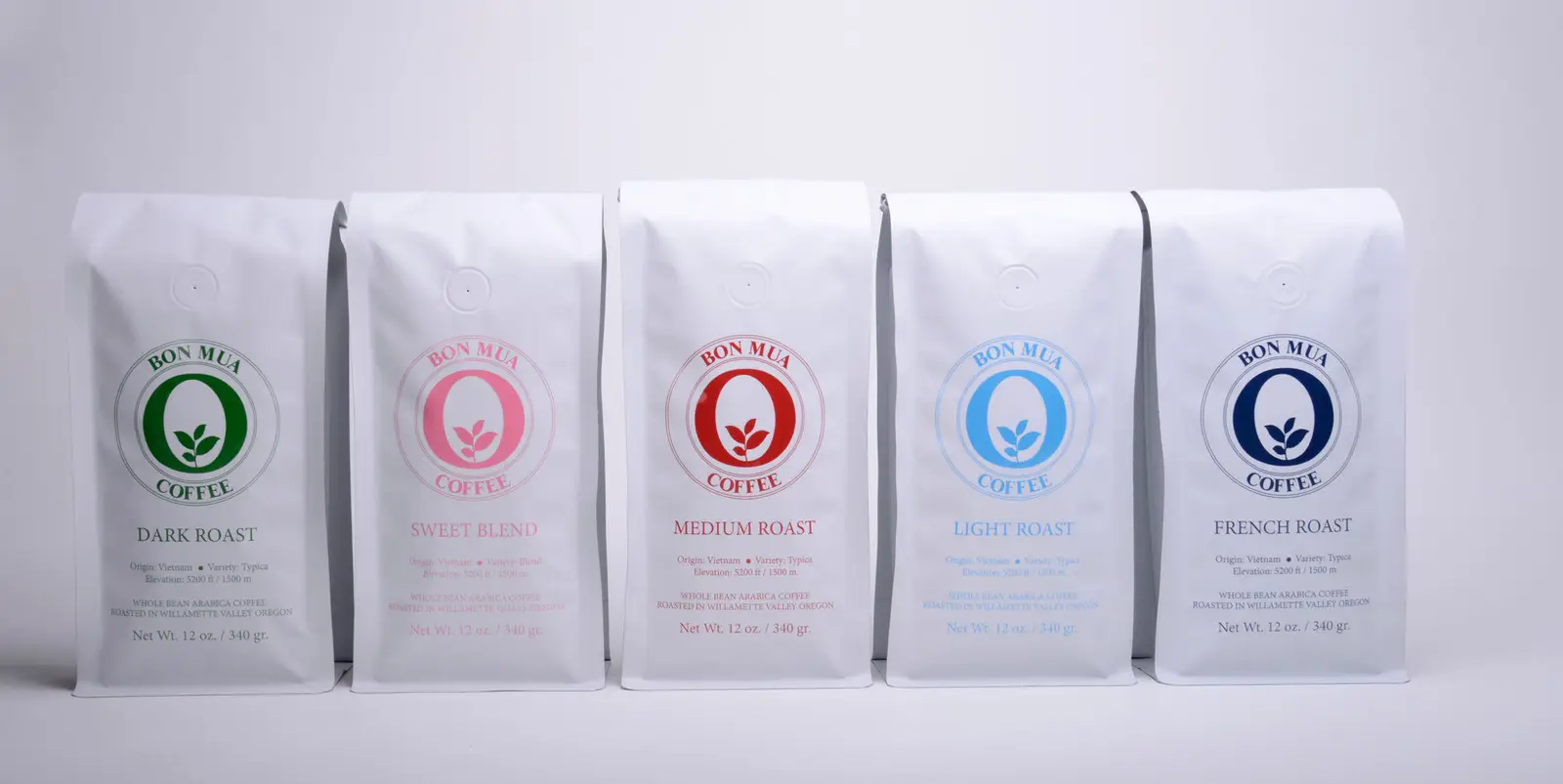 All-in-One — Five Vietnamese Arabica Roasts $76.00