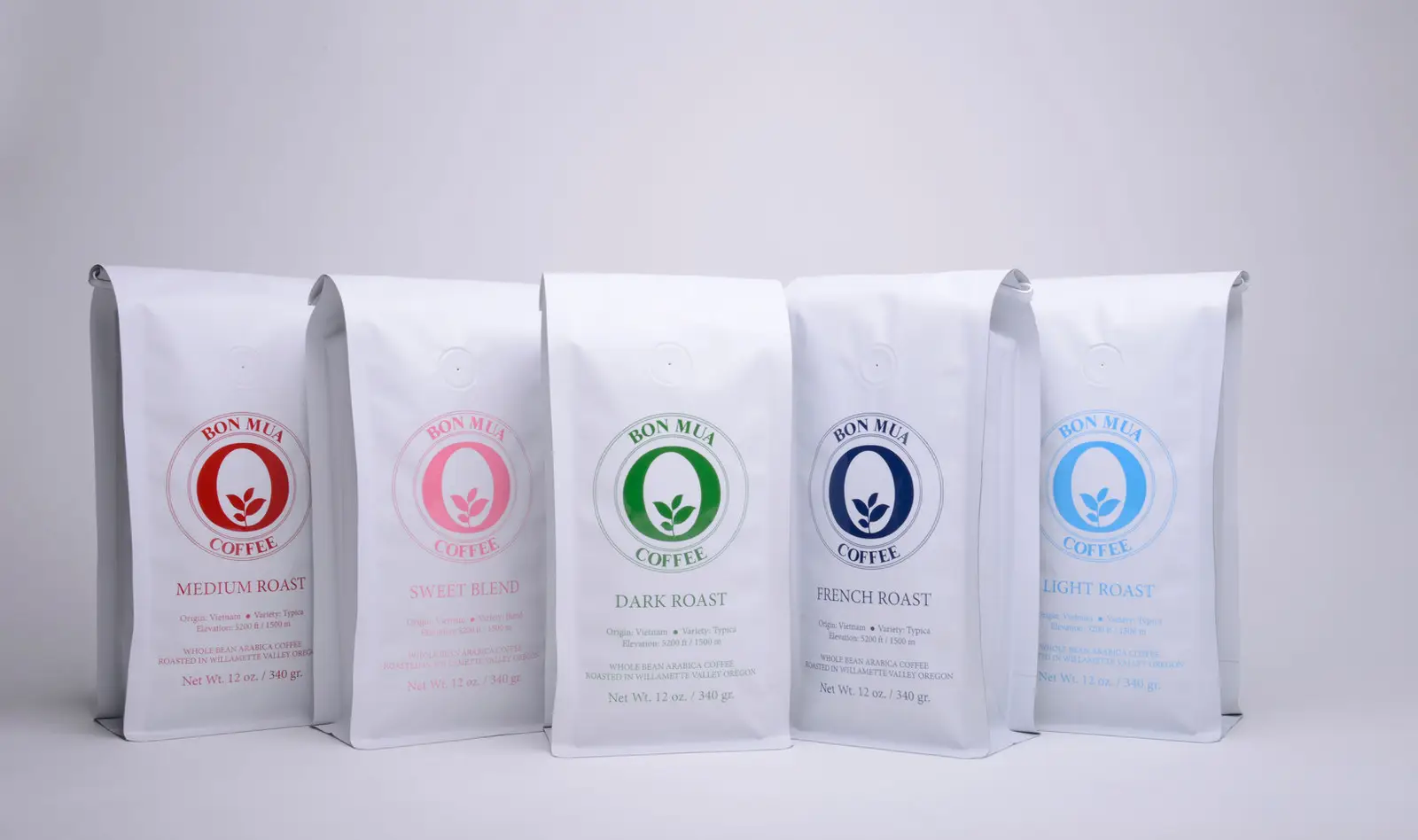
 Bestseller Single Origin Specialty — 100% Vietnamese Arabica, Dark Roast $17.99
 Our Coffee
Our Coffee: From Our Family’s Farms to Your Cup
No borrowed folklore, no anonymous supply chain. Just the coffee our family has grown in Việt Nam's highlands for 40 years — roasted weekly in Salem, Oregon.
Where it begins
A farm, not a fable
Plenty of coffee brands open with borrowed folklore. Ours opens with a real family, a real farm, and four decades of harvests.
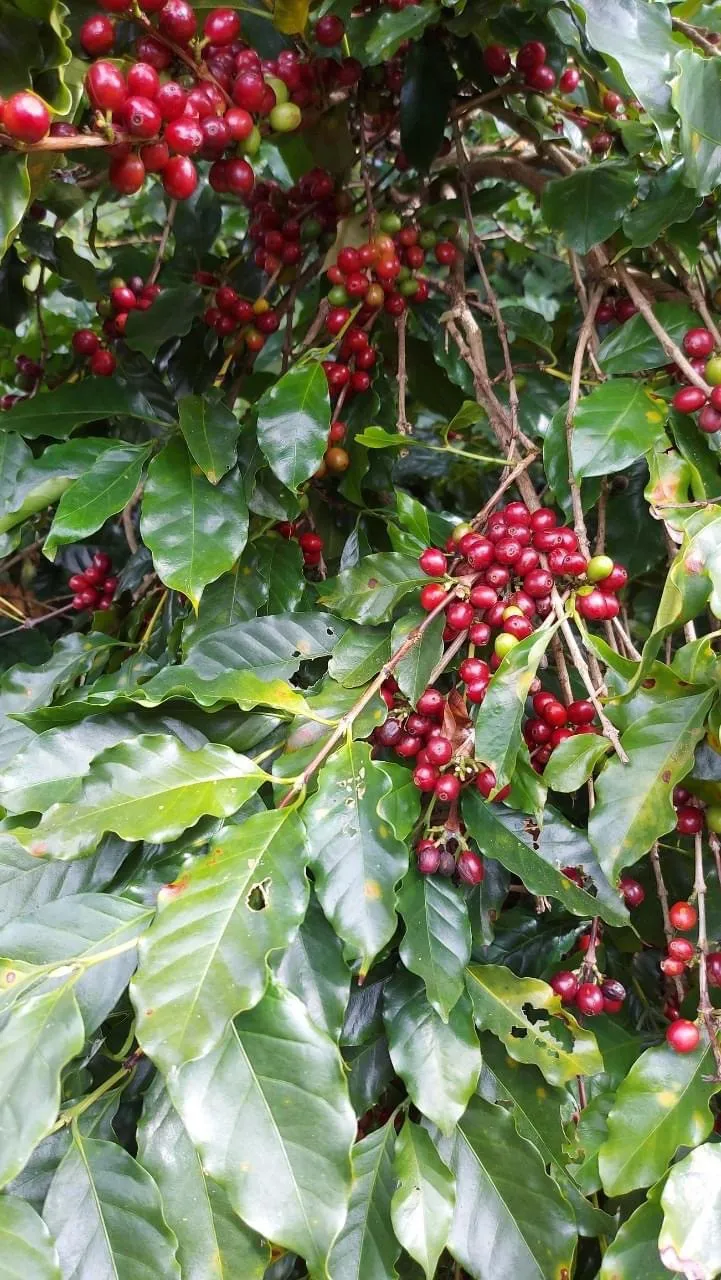
Our founder, Lan Marberry, grew up under the coffee trees. As a six-year-old she spent hours beside her father, working the family’s modest farm in the highlands of Southwest Việt Nam — a place that sits roughly one mile above sea level. Everything her family had came from coffee.
My father has been a coffee grower for 40 years and that’s where I spent my early years. Everything came from coffee, and he started the coffee farm before he had children.
Decades later, that same farm is still the source. Bon Mua brings its beans directly from the family’s land to Oregon — a still-humble but productive operation. As we grow, we’re bringing relatives and small neighboring farms in Lam Dong province into the fold, so we can keep offering top-quality specialty coffee from Việt Nam without ever losing sight of where it comes from.
Farm-direct
The farm and the roastery answer to the same family
Farm-direct isn’t a marketing word for us — it’s the supply chain. Our coffee comes straight from family-owned and -operated farms in Dak Lak and Lam Dong provinces, hand-picked and processed at the source, then shipped to Oregon as green beans.
Because we know the growers by name, we can be picky in ways a broker never could: single-region lots with no blending across regions, ripe berries only, and no unknown substances or chemicals in the cup.
Two beans, one family
We grow both arabica and robusta
Vietnam is famous for robusta, but our highlands grow beautiful arabica too. We farm and roast both — and we’re proud of each for different reasons.
Arabica — Typica
Highland arabica, grown high and picked ripe
Our arabica is grown exclusively at an average elevation of about 5,200 feet (about 1,585 m) above sea level. Every bean is the Typica variety — the original arabica from which most others were selected, prized for a clean, expressive cup.
That altitude and single-origin sourcing give the coffee its character: gentle sweetness, caramel tones, and a roasted-nut warmth that’s hard to fake with blended beans. We offer it across Light, Medium, Dark, Sweet Blend, and French roast, each drawing out a different side of the same bean.
Shop the Single Origin Specialty (our flagship arabica) See every roast
Robusta & Robusta Peaberry
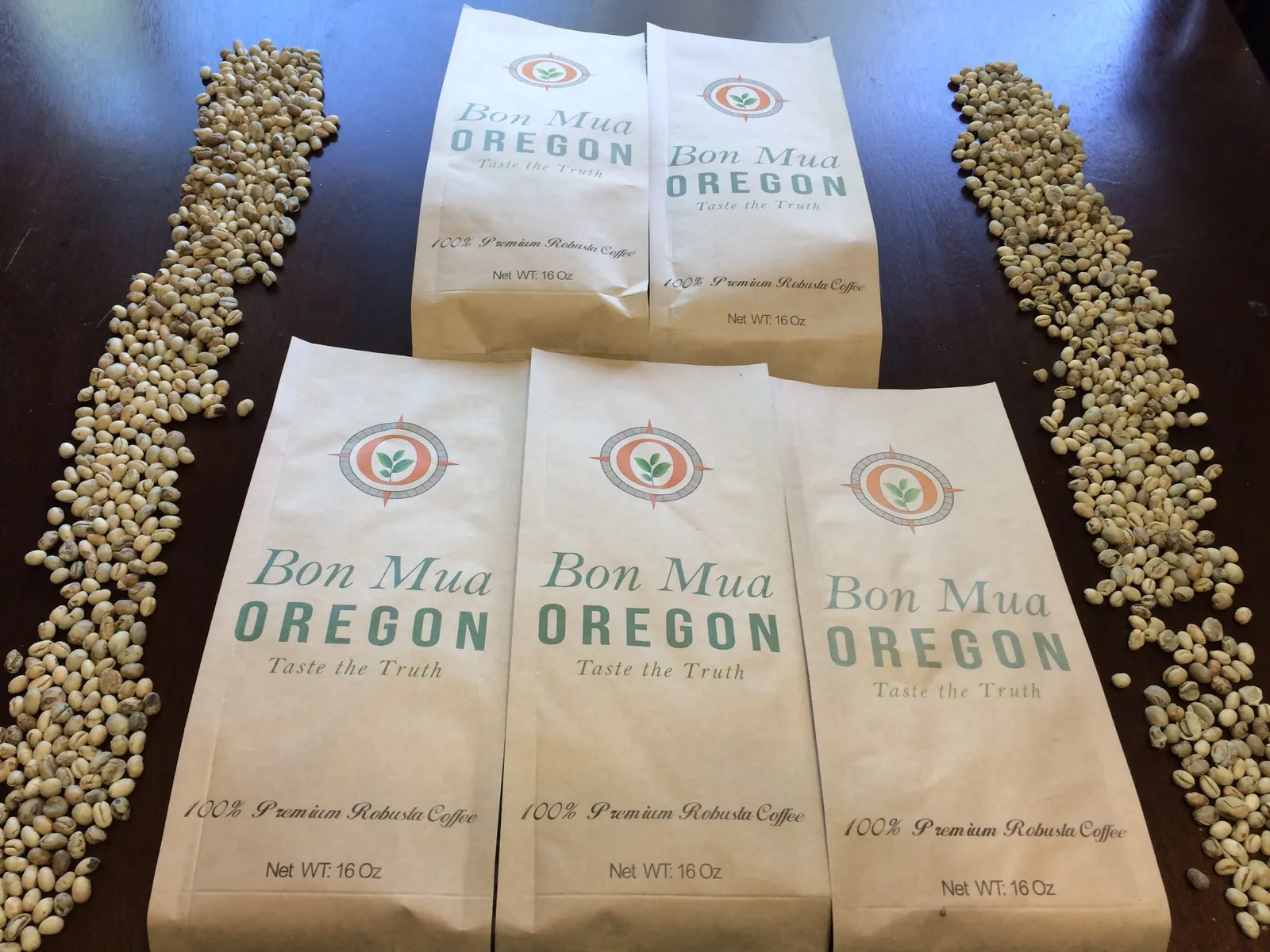
Robusta, treated like specialty coffee
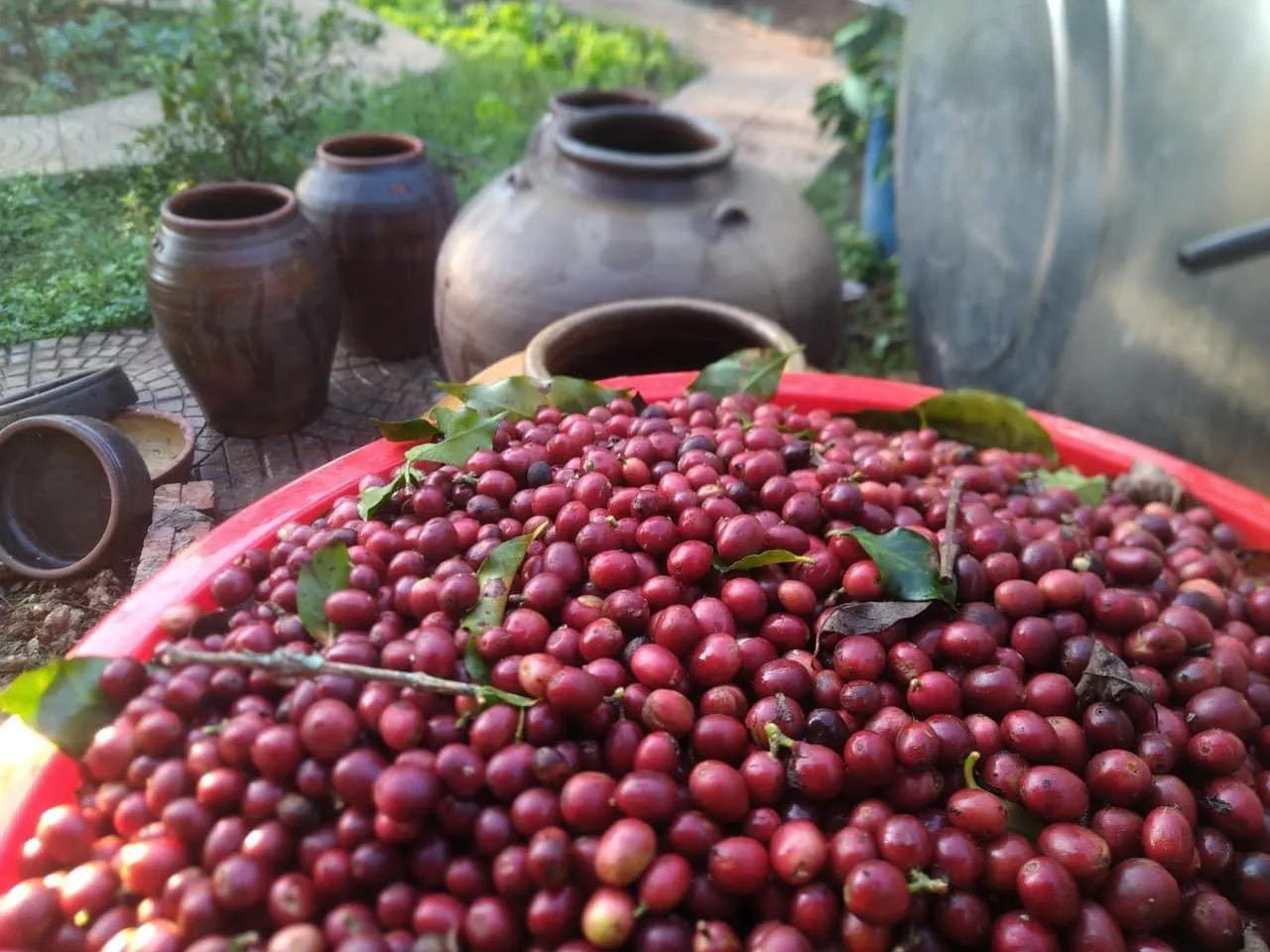
Down in the Dak Lak heartland we grow robusta and robusta peaberry. Every cherry is hand-picked, and only the ripest berries make the cut — an extra step that adds time and complexity but yields a dense, uniform, consistent cup.
Most of our robusta is naturally sun-dried, which gives the beans the air circulation they need as they dry. When wet-processing equipment is on hand, some lots go through a fully washed process instead — which route a harvest takes depends on the weather that season. Nothing is blended across regions; it’s single-region coffee, start to finish.
Shop the Robusta Vietnamese Brew Why we’re proud to roast robusta
From cherry to green bean
How the harvest is processed
Every bag traces back through these steps, done by hand on the family’s farms before the beans ever leave Việt Nam.
-
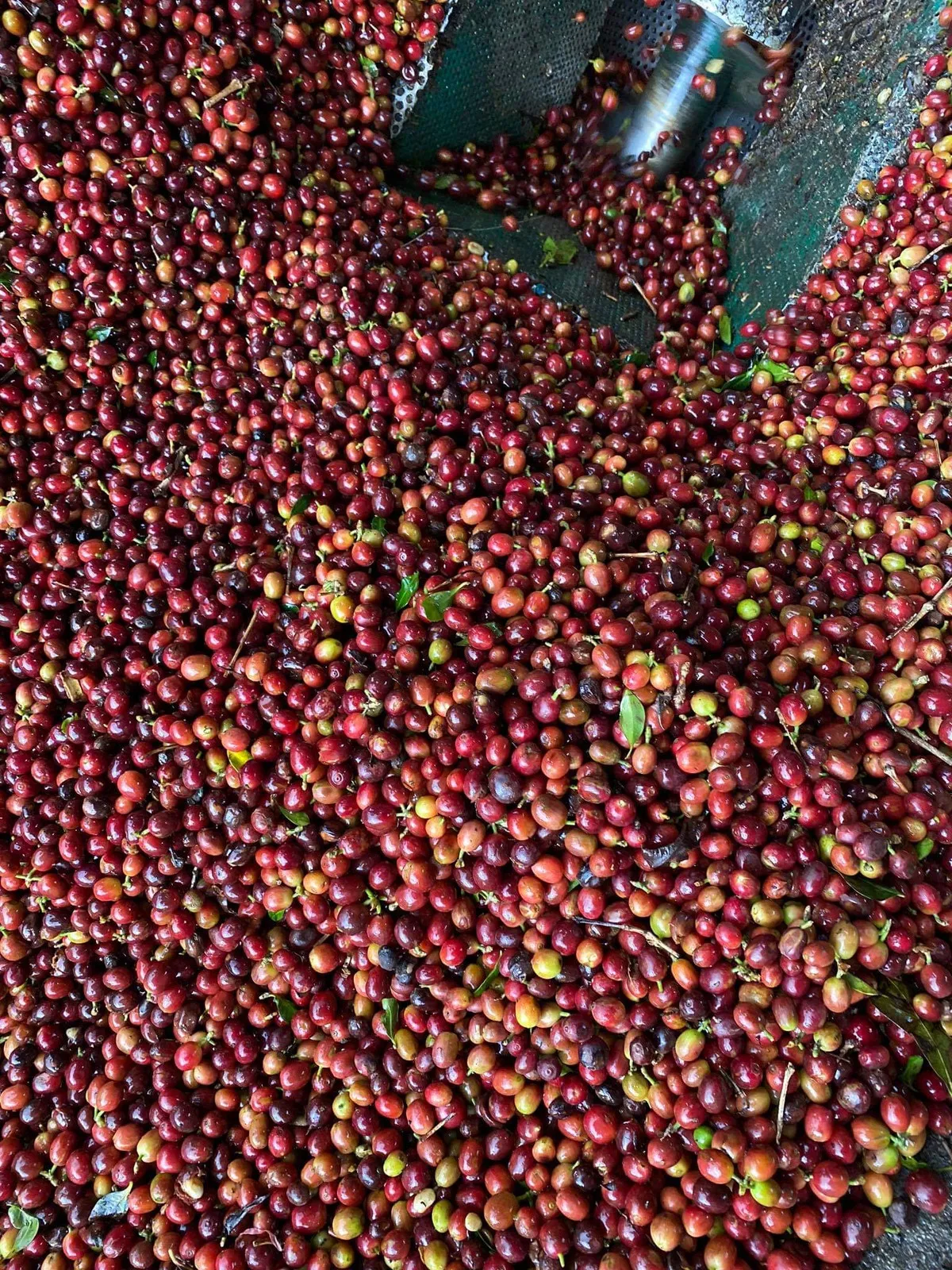
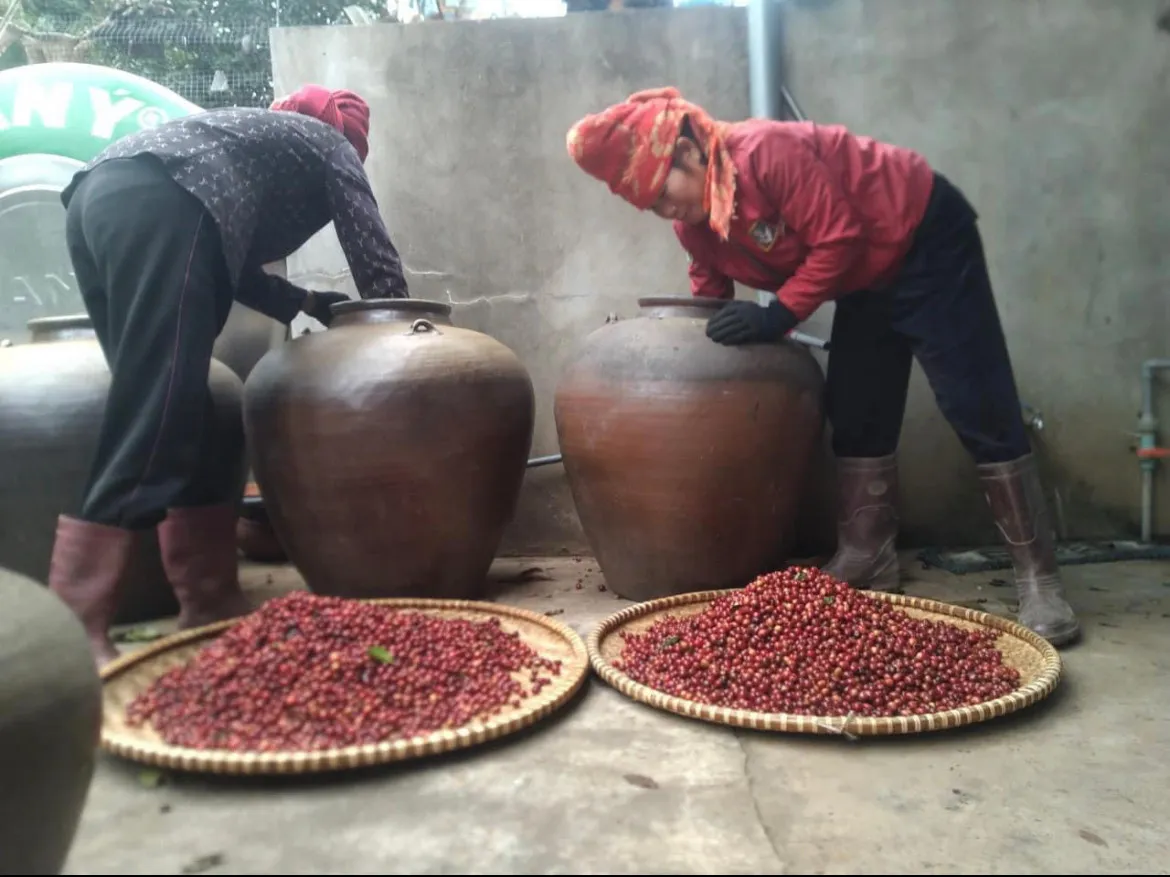
1. Depulping. Ripe cherries are sorted and fed through the depulper to separate fruit from the beans inside. -
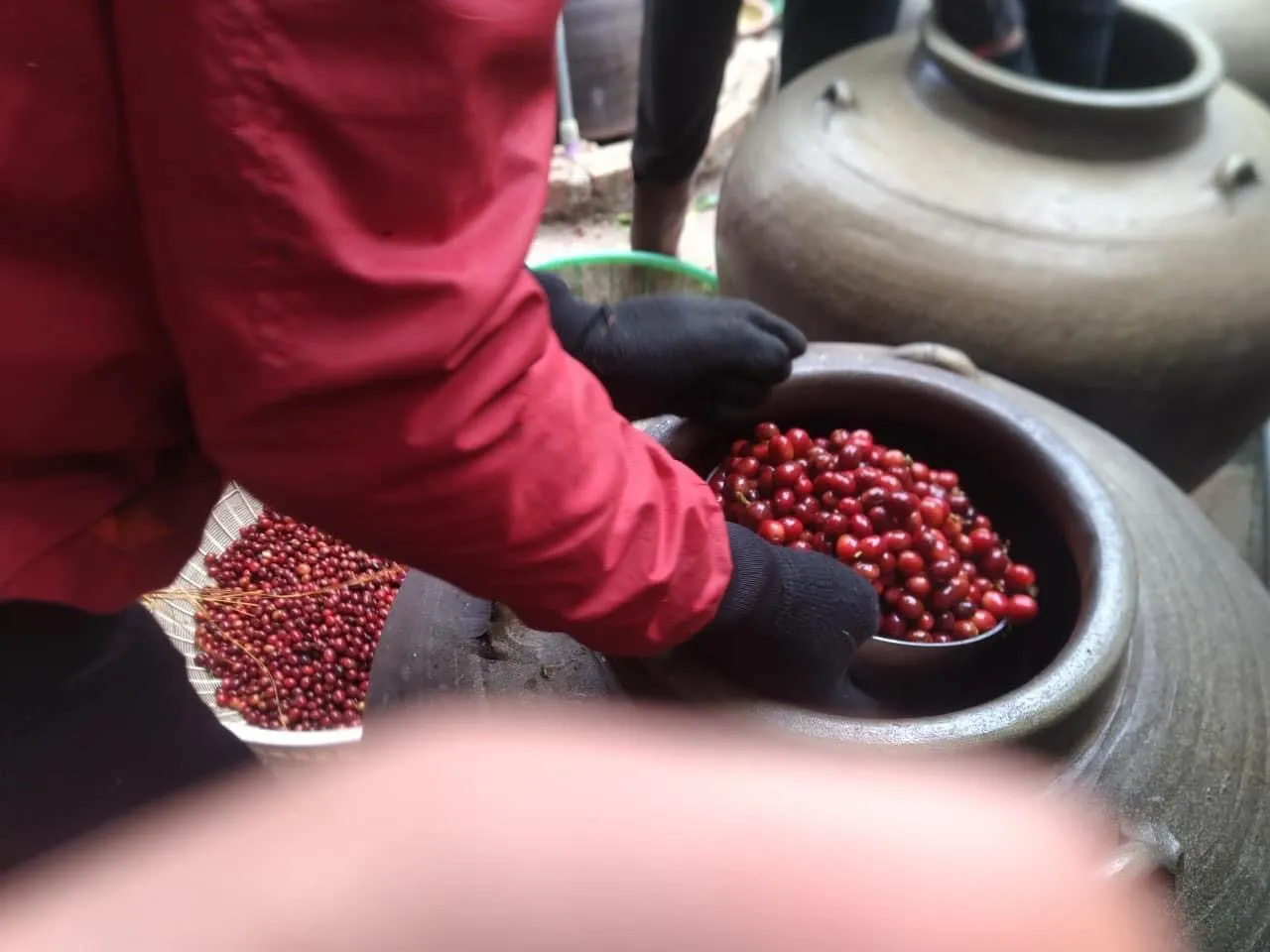
2. Fermentation. Select lots rest in traditional ceramic jars, a slow step that builds sweetness and clarity. -
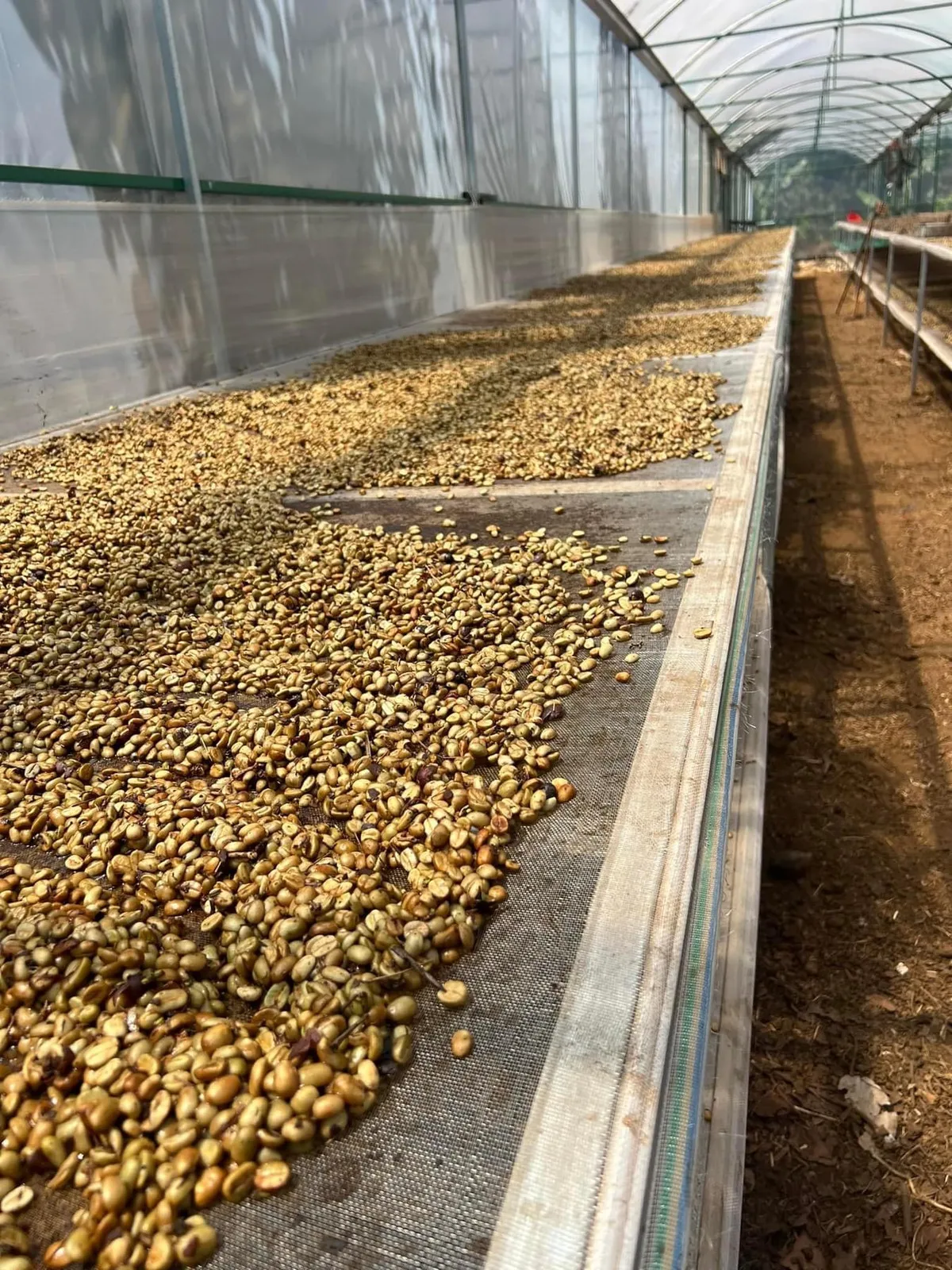
3. Drying. Beans dry on raised screens with steady airflow — sun-dried naturally, weather permitting.
Roasted in Oregon
Roasted weekly, packed in Salem
Green beans cross the Pacific and land in the Willamette Valley, where we’ve roasted since 2016. We roast in small weekly batches and finish all packaging in Salem, so the bag you open is days from the roaster — not months.
Come by the roastery at 1793 Silverton Rd NE and enjoy a cup on us, or have it shipped fresh to your door.
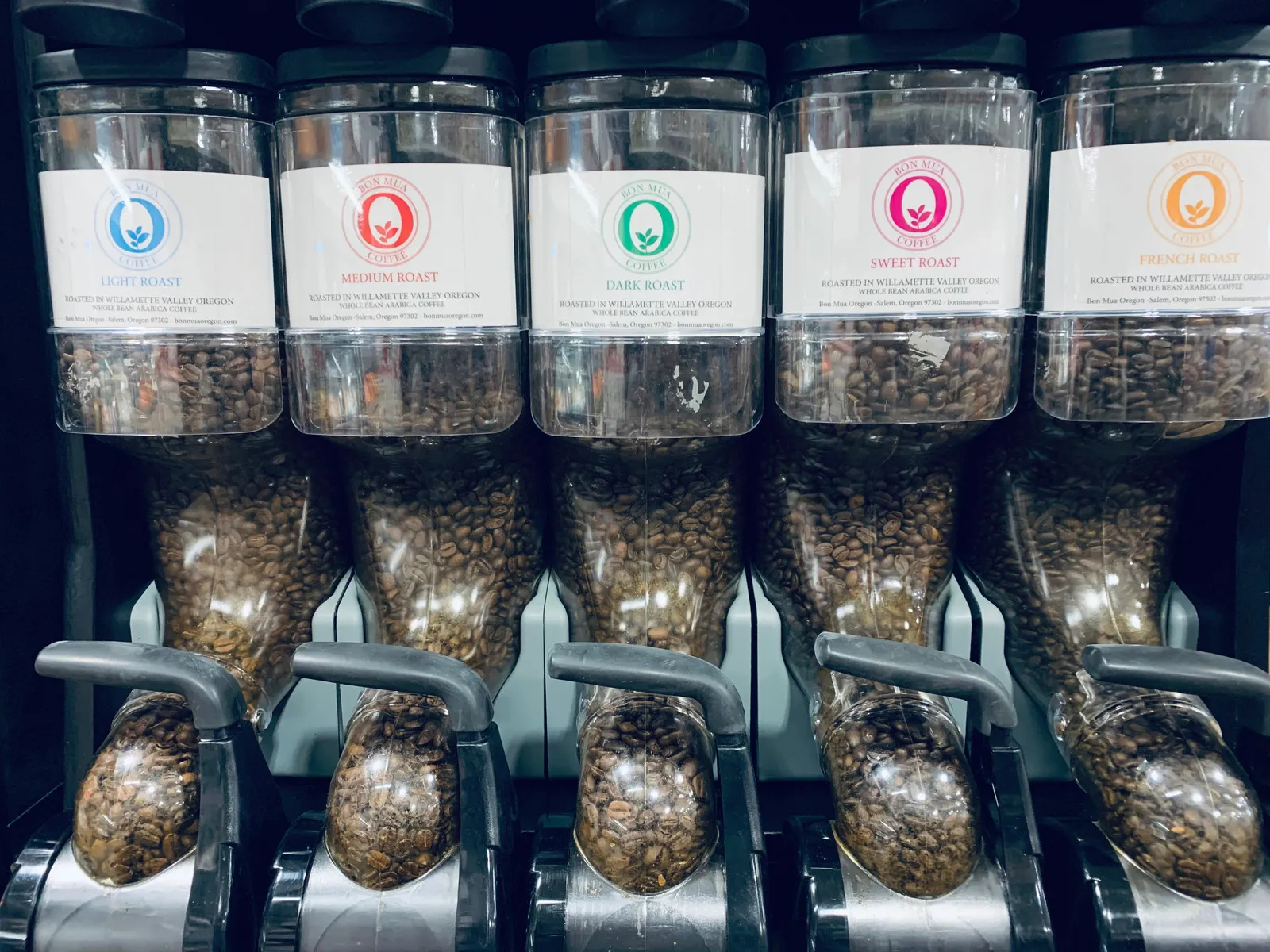
Taste The Truth
Start with a bag from our family’s farms
Arabica or robusta, whole bean or ground — every roast ships fresh from Salem.
Bestseller Single Origin Specialty — 100% Vietnamese Arabica, Dark Roast $17.99 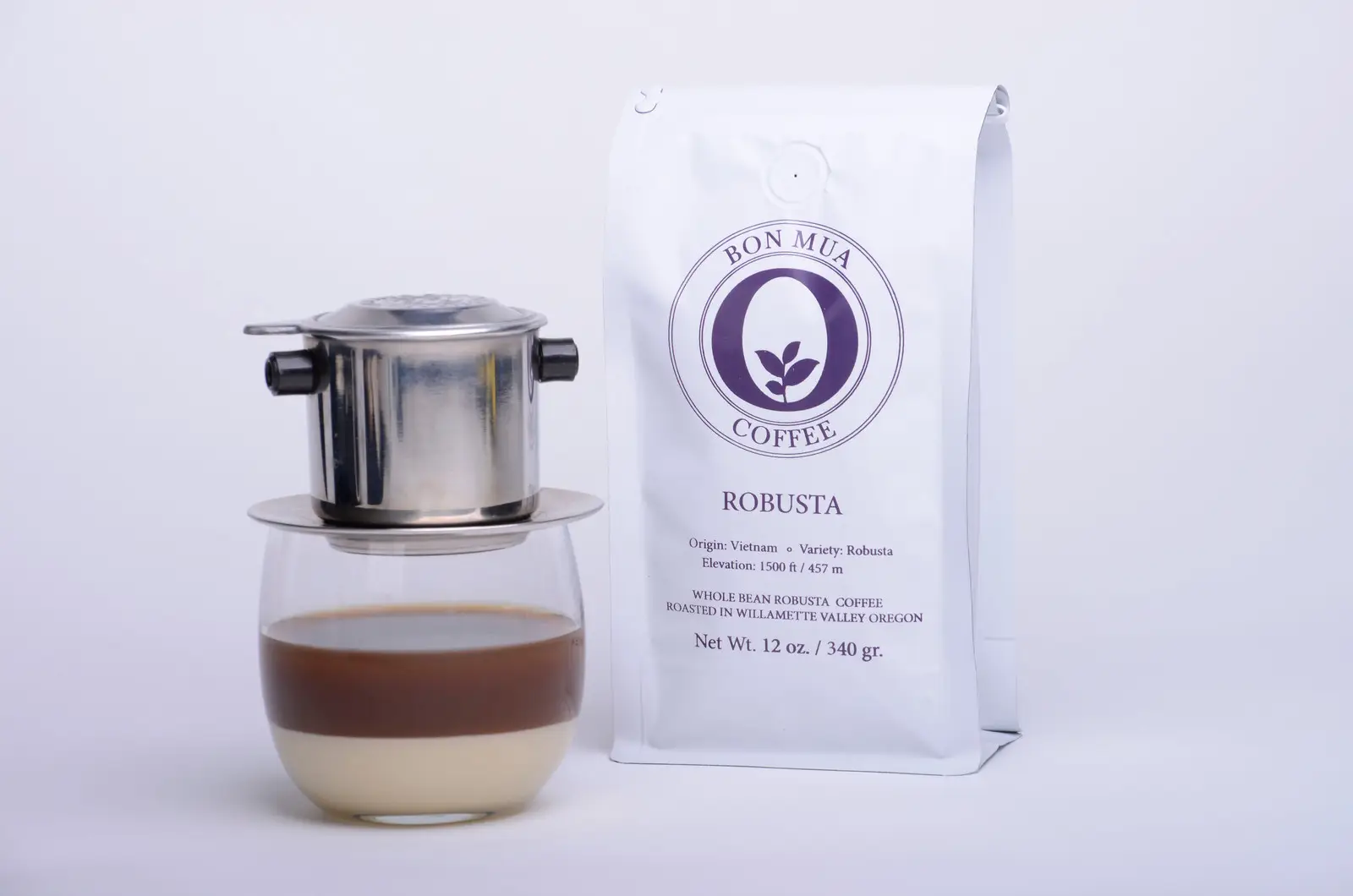 Bestseller Robusta Vietnamese Brew — 100% Vietnamese Robusta, Dark Roast $17.99
 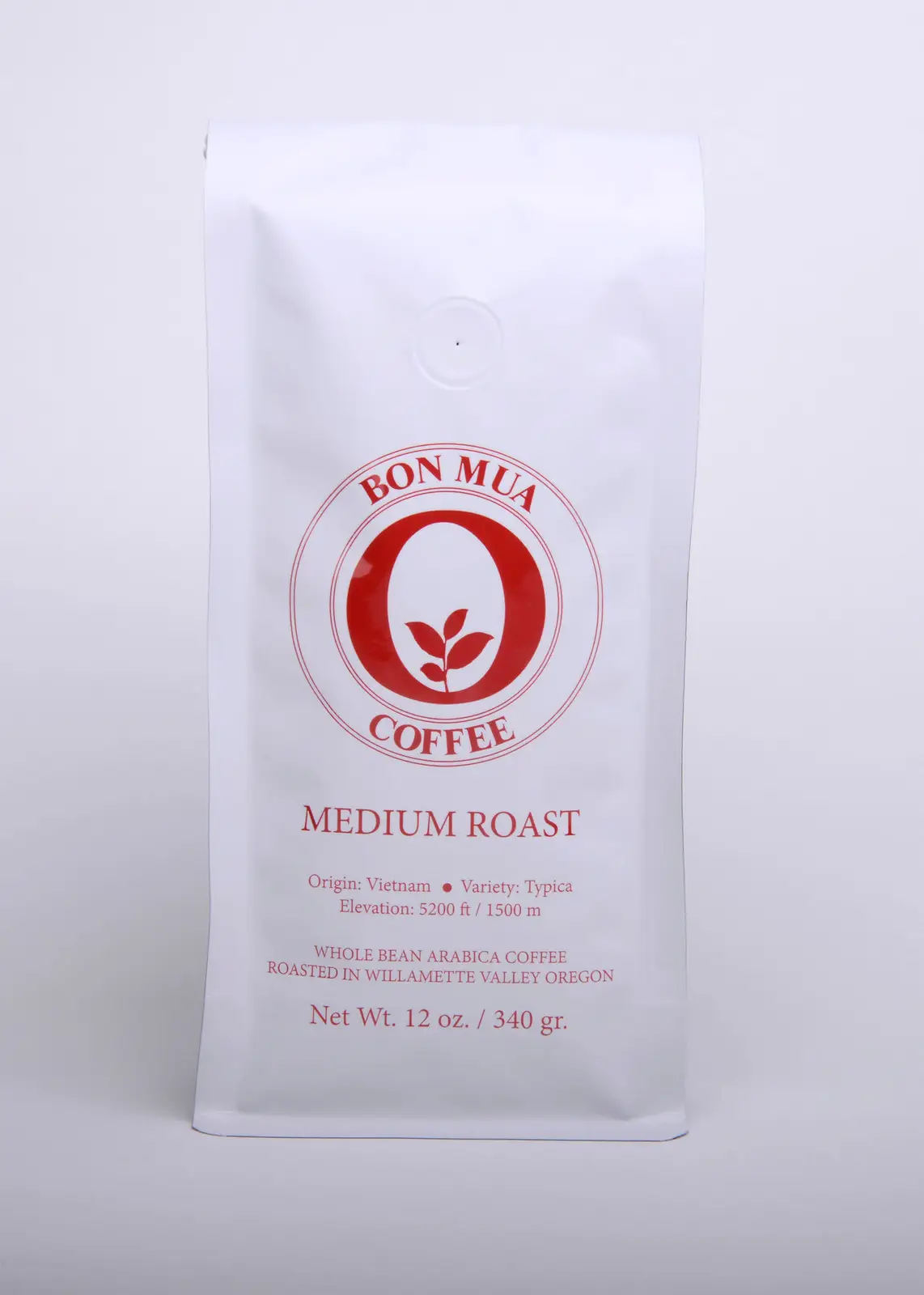 Arabica Medium Roast — 100% Vietnamese Arabica, Medium Roast $17.99
 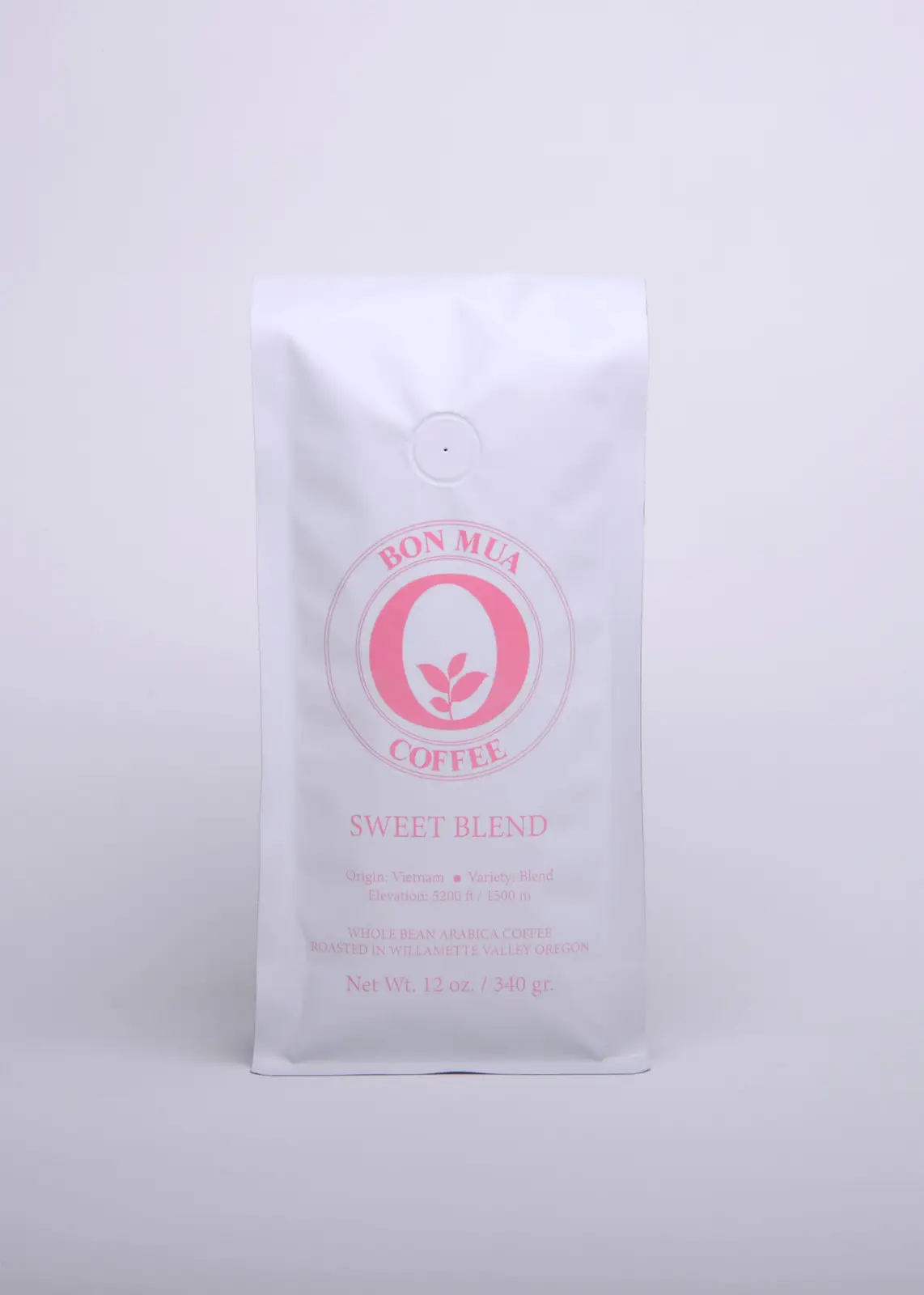 Sweet Blend — Vietnamese Arabica Blend, Medium Roast $17.99